

Views: 0 Author: Site Editor Publish Time: 2025-11-05 Origin: Site


Diesel Gen Sets are widely regarded as reliable and powerful solutions for backup and prime power needs across diverse industries. However, their durability and consistent performance depend largely on regular and proper maintenance. Without a structured upkeep plan, these generators can face premature wear, inefficient operation, or sudden breakdowns that jeopardize critical operations. At YOS Power Co., LTD., we emphasize the importance of meticulous maintenance to ensure your diesel gen sets deliver uninterrupted power and a long service life.
The core value of diesel gen sets lies in their ability to provide dependable power, especially when the main grid fails or in remote locations where power infrastructure is unavailable. Proper maintenance ensures that these generators remain ready and efficient.
Neglecting maintenance leads to various risks, such as unexpected failures, costly repairs, increased fuel consumption, and reduced output efficiency. Diesel engines involve multiple moving parts operating under high pressure and temperature, making them vulnerable to wear if not properly cared for. Components like the engine, fuel system, cooling system, alternator, and control panel all require regular attention.
Routine inspections and servicing not only prevent breakdowns but also optimize fuel consumption, reduce harmful emissions, and extend equipment lifespan. For businesses relying on diesel gen sets for mission-critical applications, maintenance is not optional — it’s a vital part of operational risk management.
A comprehensive checklist should cover every system critical to the generator’s operation:
Engine Checks: This includes inspecting belts and hoses for cracks or wear, verifying there are no fuel or oil leaks, checking the exhaust system for blockages or damage, and listening for abnormal noises indicating internal issues. Compression and combustion efficiency tests help ensure the engine runs optimally.
Fuel System Maintenance: Clean fuel is essential. Water separators should be drained regularly to remove moisture that can corrode engine components. Fuel filters require frequent replacement to prevent clogging, and fuel lines must be inspected for leaks or cracks. Contaminated fuel can cause blockages and poor combustion, severely impacting generator performance.
Coolant System Monitoring: Coolant levels need to be topped up and checked against manufacturer specifications. Radiators and hoses should be examined for leaks or blockages that could lead to overheating. The coolant's antifreeze concentration should be tested periodically, especially in climates with temperature extremes, to protect the engine from freezing or overheating.
Alternator Inspection: Since the alternator converts mechanical energy into electrical power, maintaining its components is crucial. This involves checking electrical connections for tightness and corrosion, cleaning brushes, verifying insulation resistance, and measuring voltage and frequency outputs to ensure they are within specifications.
Control Panel Tests: The control panel governs the generator’s operation. Regular tests of starting mechanisms, safety shutdown features, alarms, and automatic transfer switches help guarantee the system responds correctly during power outages.
Following this checklist prevents minor problems from evolving into significant faults, which could cause prolonged downtime or expensive repairs.
Wet-stacking is a common but often overlooked issue that occurs when a diesel generator runs at low load or idle for extended periods. This condition results in unburned fuel accumulating inside the engine and exhaust system, leading to carbon deposits that decrease engine efficiency and cause damage over time.
Preventing wet-stacking involves:
Maintaining Adequate Load: Generators should operate at no less than 30% to 40% of their rated load during use to ensure complete fuel combustion and prevent residue build-up.
Using Load Banks: If your operational needs don’t allow for consistent high load, periodically running the generator with a load bank simulates the required electrical load, burning off accumulated carbon deposits.
These practices help maintain engine cleanliness, improve fuel economy, and minimize harmful emissions. They are crucial for keeping diesel gen sets running at peak performance.
Regular replacement of fluids and filters is a cornerstone of diesel gen set maintenance, as these elements directly influence engine health.
Engine Oil: Typically, oil changes are recommended every 250 to 500 hours of operation or annually, depending on usage intensity and manufacturer guidelines. Using oils that meet or exceed recognized industry standards protects engine components from wear and overheating.
Fuel Filters: Clean fuel filters are essential for preventing impurities from entering the engine. These should be replaced at scheduled intervals or sooner if fuel contamination is suspected.
Coolant: Over time, coolant degrades and loses its protective properties. Replacing coolant according to schedule helps prevent corrosion, overheating, and freezing in colder climates.
Air Filters: A clean air filter ensures proper airflow to the engine, which is vital for efficient combustion. Dirty or clogged air filters increase fuel consumption and emissions, so inspecting and replacing them as needed is important.
Using high-quality fluids and timely replacements reduces the risk of unexpected failures and contributes significantly to extending your diesel gen sets’ operational life.
The environment where a diesel gen set is installed significantly impacts its durability and performance. Factors to consider include:
Outdoor vs Sheltered Installation: Outdoor units require robust weatherproof enclosures to protect against rain, dust, and temperature fluctuations. Sheltered or indoor installations benefit from stable environmental conditions, leading to reduced wear and longer life.
Airflow and Ventilation: Proper ventilation is critical for dissipating heat generated during operation. Inadequate airflow causes overheating, which accelerates mechanical and electrical component degradation.
Environmental Conditions: Harsh environments — such as coastal areas with salty air, industrial sites with corrosive chemicals, or dusty regions — pose additional challenges. Protective coatings, corrosion-resistant materials, and routine cleaning become essential in these settings.
Considering these environmental factors during installation and maintenance planning enhances reliability and longevity.
Recognizing early warning signs allows for prompt corrective action before minor issues become major failures. Signs include:
Black Smoke: This usually indicates incomplete fuel combustion caused by clogged air filters, faulty injectors, or poor fuel quality.
Unusual Noises: Knocking, rattling, or grinding sounds can suggest mechanical wear or loose components.
Excessive Vibration: This can result from misaligned or damaged engine mounts, unbalanced rotating parts, or worn bearings.
Monitoring these indicators through regular visual and auditory inspections, combined with control panel alerts, helps maintain operational health.
Developing a structured maintenance plan is essential for diesel gen sets to ensure ongoing reliability:
Professional Service: Engaging certified technicians for routine inspections, preventive maintenance, and repairs provides expertise and ensures adherence to manufacturer standards.
Detailed Service Logs: Keeping accurate records of maintenance activities, operational hours, and repairs allows for trend analysis and informed decision-making.
Emergency Checks: Regularly testing generators after prolonged downtime or following unusual events ensures readiness during emergencies.
YOS Power Co., LTD. offers customized maintenance solutions and expert technical support tailored to your operational needs, helping you maximize your diesel gen sets’ lifespan and performance.
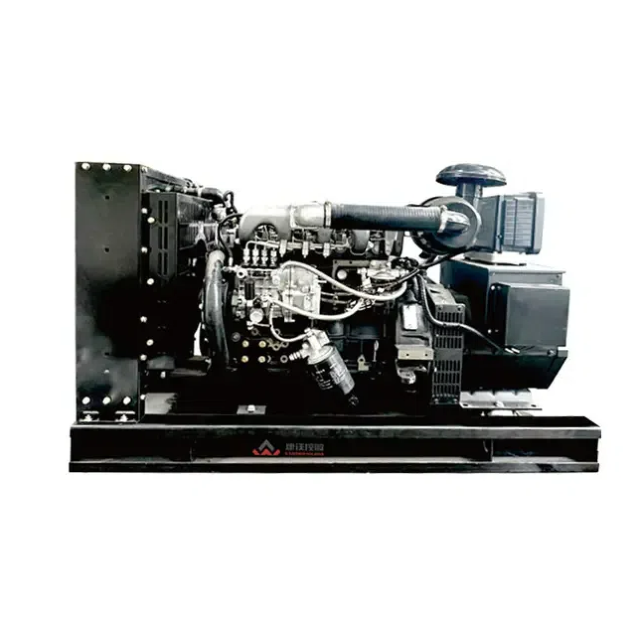
Proper maintenance is not just a routine task but a strategic investment that safeguards the reliability and efficiency of your diesel gen sets. By implementing comprehensive checks, preventive measures, and partnering with experienced service providers, your business can ensure uninterrupted power supply and achieve maximum return on investment.
For expert advice on diesel gen set maintenance or to arrange a service plan tailored to your needs, please contact YOS Power Co., LTD. Our team is dedicated to helping you maintain dependable power for all your critical applications.


