

Views: 0 Author: Site Editor Publish Time: 2025-11-08 Origin: Site


As the world increasingly shifts towards renewable energy, the question arises: can diesel gen sets still play a vital role alongside solar and wind power systems? The answer is a resounding yes. Diesel gen sets have evolved to become key components in hybrid renewable energy setups, filling in the gaps when solar or wind power generation is insufficient. YOS Power Co., LTD., specializing in customized diesel gen sets and accessories, proudly supports this innovative energy integration, providing reliable power solutions that complement renewable sources.
Hybrid power systems combine multiple energy sources to create a more reliable and efficient energy supply. Diesel gen sets are often paired with solar photovoltaic (PV) panels or wind turbines to address the intermittent nature of renewable energy. Since solar and wind depend heavily on weather and daylight conditions, their output can fluctuate or drop to zero at times. Diesel gen sets act as backup or supplemental power sources that automatically engage when renewable sources cannot meet the demand.
In these hybrid systems, diesel gensets work alongside batteries and renewable arrays, ensuring continuous power availability. When solar panels produce excess electricity, it can be stored in batteries for later use. When batteries run low or renewable output drops due to cloudy weather or calm winds, the diesel genset starts to provide power seamlessly.
This integration optimizes energy usage, reduces reliance on diesel fuel, and lowers emissions compared to standalone diesel power solutions.
Hybrid energy setups offer several compelling benefits:
Cost Savings: By using solar or wind energy as the primary source, fuel consumption is minimized. This translates into lower operational costs since diesel fuel is expensive and often challenging to transport to remote locations.
Reliability in Remote and Off-Grid Areas: Many mining sites, island communities, and telecom towers operate in locations where grid access is unavailable or unreliable. A hybrid system combining diesel gen sets with renewable energy ensures uninterrupted power regardless of weather or fuel supply delays.
Reduced Environmental Impact: Hybrid systems cut down on greenhouse gas emissions and particulate pollution by relying more on clean energy. This helps companies meet environmental compliance requirements and supports corporate sustainability goals.
Extended Equipment Life: Operating diesel gensets less frequently reduces engine wear and maintenance needs, extending their lifespan and improving return on investment.
Designing an effective hybrid system requires careful consideration of several technical aspects:
Sizing the Diesel Gen Set vs. PV Array: The diesel gen set must be appropriately sized to handle peak loads and emergency power needs without oversizing, which can increase costs and inefficiency. Similarly, the PV array size must match the site’s energy demand and solar resource availability.
Battery Storage Role: Batteries play a crucial role in storing excess solar or wind energy for use during low-generation periods. The size and type of battery storage impact how often the diesel genset needs to operate.
Control and Automation Systems: Intelligent controllers manage the switching between renewable sources, batteries, and the diesel gen set. These systems optimize energy flow, reduce fuel consumption, and provide real-time monitoring to operators.
Integration with Existing Infrastructure: The hybrid system must be designed to integrate smoothly with current electrical systems, ensuring compatibility with loads, transfer switches, and safety equipment.
Hybrid diesel-renewable energy systems are especially effective in several challenging environments:
Mining Sites: Remote mines often lack reliable grid connections and face high fuel transport costs. Hybrid systems reduce fuel dependency while ensuring continuous power for heavy machinery and safety systems.
Island Communities: Islands frequently rely on imported diesel fuel, which is expensive and subject to supply chain disruptions. Adding solar and wind reduces fuel consumption and increases energy independence.
Telecom Sites: Communication towers need constant power for uninterrupted service. Hybrid systems provide reliable backup power with lower operational costs and environmental impact.
Other applications include rural healthcare facilities, agricultural operations, and off-grid residential communities, all benefiting from the balance of clean energy and dependable diesel power.
Diesel gen sets have traditionally faced criticism for emissions and environmental impact. However, modern diesel engines are significantly cleaner and more efficient than their predecessors.
Reduced Emissions: Advanced fuel injection technologies, turbocharging, and exhaust after-treatment systems like selective catalytic reduction (SCR) have lowered nitrogen oxides (NOx) and particulate emissions.
Future Biofuels: The industry is exploring biodiesel and other renewable diesel fuels that can run in existing engines with little or no modification. These fuels offer the potential to drastically cut carbon footprints while maintaining diesel’s power density and reliability.
Hybrid Synergy: Using diesel gen sets in hybrid systems maximizes the use of renewables, ensuring gensets run only when necessary, thereby minimizing overall emissions.
By choosing modern diesel gen sets and integrating them with renewable energy, users can achieve a sustainable balance between reliability and environmental stewardship.
A key advantage of hybrid diesel-renewable systems is their strong economic rationale:
Fuel Savings: Reducing diesel consumption cuts operating expenses significantly, especially in locations with high fuel costs or transport challenges.
Reduced Diesel Transport Costs: Lower fuel usage means fewer deliveries, reducing logistical complexities and associated costs.
Return on Investment (ROI): Though hybrid systems involve higher upfront investment for renewable components and integration, the fuel savings and reduced maintenance lead to favorable ROI over time.
Maintenance Savings: Less frequent running of diesel gensets means fewer maintenance interventions and longer equipment life.
Operators should conduct a comprehensive cost-benefit analysis considering local fuel prices, renewable resource availability, load profiles, and financing options. YOS Power Co., LTD. supports customers with detailed consultations to tailor hybrid solutions that maximize both savings and performance.
When considering hybrid systems that integrate diesel gen sets with renewable energy, buyers should carefully evaluate vendor capabilities and offerings:
Integration Expertise: Does the vendor have experience designing and implementing hybrid systems with seamless genset-renewable coordination?
Warranties and Service Agreements: What guarantees exist for equipment performance and maintenance support?
Monitoring Tools: Are advanced monitoring and control solutions included to provide real-time system data and remote management?
Customization: Can the vendor provide solutions customized to specific site conditions, load demands, and renewable resource profiles?
Compliance and Standards: Does the equipment meet local environmental and safety regulations?
Selecting a knowledgeable vendor like YOS Power Co., LTD. ensures that your hybrid power system is designed for maximum reliability, sustainability, and cost-effectiveness.
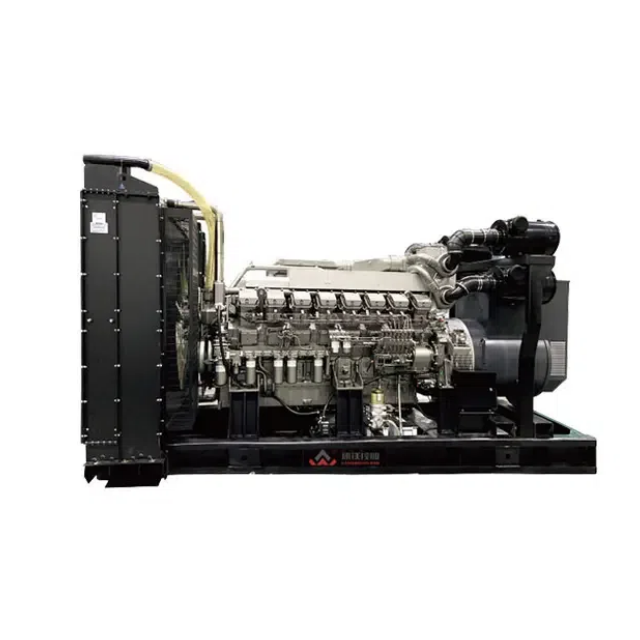
In conclusion, diesel gen sets remain highly relevant in today’s evolving energy landscape by complementing renewable energy systems in hybrid configurations. Their ability to provide reliable backup power while supporting fuel savings and emission reductions makes them an indispensable part of modern power solutions. YOS Power Co., LTD. offers advanced diesel gen sets and hybrid integration expertise to help clients harness the best of both worlds.
For tailored diesel gen set solutions that integrate seamlessly with renewable energy systems, contact YOS Power Co., LTD. Our experts are ready to guide you through selecting, designing, and maintaining power systems that meet your unique requirements.


