

Views: 0 Author: Site Editor Publish Time: 2025-11-12 Origin: Site


Have you ever wondered how your car transforms gasoline into motion? Gasoline engines are the heart of many vehicles, powering our daily commutes and adventures.
In this article, we’ll explore what gasoline engines are, their history, and their significance in today’s world. You’ll learn about their key components and how they work, giving you a deeper understanding of this vital technology.
Gasoline engines play a crucial role in powering vehicles and machinery. But what exactly is the function of a gasoline engine? At its core, a gasoline engine converts chemical energy from fuel into mechanical energy, enabling motion. This conversion happens through a series of complex processes involving various components.
A gasoline engine consists of several essential parts:
● Pistons: These move up and down within the cylinders, creating the necessary pressure for combustion.
● Cylinders: The chambers where the air-fuel mixture ignites.
● Crankshaft: Converts the linear motion of the pistons into rotational motion, powering the vehicle.
Each of these components plays a vital role in ensuring the engine operates efficiently. For instance, the pistons compress the air-fuel mixture, while the crankshaft translates this movement into usable power.
Gasoline engines primarily rely on two mechanisms:
1. Crankshaft Connecting Rod Mechanism: This mechanism connects the pistons to the crankshaft, allowing for the conversion of linear motion into rotational motion.
2. Valve Timing Mechanism: This controls the opening and closing of the engine's valves, ensuring the right amount of air and fuel enters the cylinders at the correct time.
These mechanisms work together to optimize engine performance and efficiency.
The operation of a gasoline engine is based on the four-stroke cycle, which includes:
1. Intake Stroke: The intake valve opens, allowing the air-fuel mixture to enter the cylinder as the piston moves down.
2. Compression Stroke: The piston moves up, compressing the mixture, which raises its temperature and pressure.
3. Power Stroke: The spark plug ignites the compressed mixture, forcing the piston down and generating power.
4. Exhaust Stroke: The exhaust valve opens, and the piston moves up again, expelling the burnt gases from the cylinder.
This cycle repeats continuously, providing the power needed for movement.
During each stroke, specific actions occur:
● Intake: Fresh air-fuel mixture enters the cylinder.
● Compression: The mixture is compressed to increase efficiency.
● Power: Ignition occurs, and energy is released.
● Exhaust: Waste gases are expelled, making room for the next cycle.
Understanding these processes helps in grasping how gasoline engines function effectively.
The spark plug is vital in gasoline engines. It ignites the air-fuel mixture at precisely the right moment. When the piston reaches the top of its compression stroke, the spark plug fires, creating a small explosion that pushes the piston down. This ignition process is crucial for maintaining engine performance.
Over the years, fuel supply systems in gasoline engines have evolved significantly. Early engines used carburetors, which mixed air and fuel mechanically. However, modern engines often utilize Electronic Fuel Injection (EFI) systems. EFI offers several advantages:
● Improved Efficiency: Provides precise fuel delivery based on engine needs.
● Better Performance: Enhances throttle response and power output.
● Reduced Emissions: Helps meet stricter environmental regulations.
This evolution in fuel supply technology has made gasoline engines more efficient and environmentally friendly.

Gasoline engines can be categorized in various ways, each type serving different purposes and applications. Let’s dive into some common classifications.
One of the primary distinctions is between carbureted and fuel-injected engines. Carbureted engines mix air and fuel mechanically, relying on the vacuum created by the engine to draw fuel into the intake. They are simpler and often cheaper to maintain. However, they can be less efficient and produce more emissions.
On the other hand, fuel-injected engines use electronic systems to precisely control fuel delivery. This leads to better fuel efficiency, improved performance, and lower emissions. The initial cost may be higher, but the long-term benefits often outweigh this.
Feature | Carbureted Engines | Fuel-Injected Engines |
Fuel Delivery | Mechanical | Electronic |
Efficiency | Lower | Higher |
Emissions | Higher | Lower |
Maintenance Cost | Generally lower | Generally higher |
Next, we have naturally aspirated engines and turbocharged engines. Naturally aspirated engines draw air into the combustion chamber through atmospheric pressure alone. While they can be reliable, their power output is limited by engine size.
In contrast, turbocharged engines use a turbine driven by exhaust gases to force more air into the combustion chamber. This allows for greater power output from a smaller engine. Turbocharging enhances performance significantly, making it a popular choice in modern vehicles.
Another important distinction is between two-stroke and four-stroke engines. Two-stroke engines complete a power cycle in just two strokes of the piston, making them lighter and often more powerful for their size. They are commonly used in smaller applications like chainsaws and mopeds.
Conversely, four-stroke engines complete a power cycle in four strokes, which typically results in smoother operation and better fuel efficiency. These engines are the standard in most cars and larger machinery due to their reliability and performance.
Cooling is crucial for engine performance, and engines can be either air-cooled or liquid-cooled. Air-cooled engines rely on airflow to dissipate heat, making them simpler and lighter. They are often found in motorcycles and small engines.
Liquid-cooled engines use a coolant to absorb heat, allowing for better temperature regulation. This method is more efficient for high-performance applications, as it helps maintain optimal operating temperatures under various conditions.
Gasoline engines can also be classified based on several criteria, including cylinder arrangement, fuel supply system, and intake method.
Engines can be arranged in several configurations:
● Inline Engines: Cylinders are arranged in a straight line. This design is common in smaller vehicles due to its compact size.
● V-Type Engines: Cylinders are arranged in a V shape. This design allows for more power in a smaller space, often found in performance vehicles.
● Flat Engines: Cylinders lie flat, providing a lower center of gravity. This configuration is popular in some sports cars, enhancing stability.
When classifying by fuel supply systems, we see two main types:
● Carburetor Systems: Older technology that mixes air and fuel mechanically.
● Electronic Fuel Injection (EFI): Modern systems that provide precise fuel delivery for better efficiency and performance.
Finally, gasoline engines can be classified by their intake method:
● Naturally Aspirated Engines: Rely on atmospheric pressure for air intake.
● Forced Induction Engines: Use methods like turbocharging to increase air intake, enhancing performance.
These classifications help us understand the diverse landscape of gasoline engines and their applications in various vehicles and machinery.
Gasoline engines are versatile machines found in numerous applications across various sectors. Their ability to deliver power efficiently makes them a popular choice in transportation, industry, and recreational activities. Let’s explore where gasoline engines are commonly used.
Gasoline engines play a crucial role in our daily lives. From powering vehicles to supporting industrial operations, their applications are widespread. Here are some of the key areas where these engines excel.
Gasoline engines are most recognized for their role in transportation. They power a variety of vehicles, including:
● Cars: The majority of personal and family cars utilize gasoline engines due to their balance of power and efficiency.
● Motorcycles: These engines provide the necessary performance for two-wheeled vehicles, making them a popular choice for commuters and enthusiasts alike.
● Small Aircraft: Many light aircraft rely on gasoline engines, offering a lightweight and efficient power source for flying.
The table below highlights the advantages of gasoline engines in transportation:
Vehicle Type | Advantages |
Cars | Efficient, widely available fuel |
Motorcycles | Lightweight, high power-to-weight ratio |
Small Aircraft | Reliable performance, easy maintenance |
In addition to transportation, gasoline engines are vital in various industrial applications. They are commonly used in:
● Generators: Gasoline engines provide backup power for homes and businesses during outages.
● Pumps: These engines drive pumps for water, fuel, and other liquids, essential in agriculture and construction.
● Construction Equipment: Tools like concrete saws and compactors often rely on gasoline engines for mobility and power.
This versatility makes gasoline engines indispensable in many industrial settings.
Gasoline engines also find their place in recreational activities. They power equipment that many people use for leisure, such as:
● Lawn Mowers: Gasoline engines help maintain lawns efficiently, providing the power needed for cutting grass.
● Chainsaws: These tools, essential for forestry and landscaping, rely on gasoline engines to deliver robust performance.
● ATVs and Snowmobiles: For outdoor enthusiasts, gasoline engines provide the thrill of adventure in various terrains.
The table below summarizes recreational applications:
Equipment Type | Purpose |
Lawn Mowers | Grass cutting |
Chainsaws | Tree felling and pruning |
ATVs/Snowmobiles | Off-road and winter activities |
Beyond personal and recreational use, gasoline engines are also significant in diverse industries. They are utilized in:
● Mining: Gasoline engines power machinery for drilling and transporting materials.
● Chemical Industries: These engines drive pumps and compressors, facilitating chemical processing.
● Emergency Power Supply: In critical situations, gasoline engines can provide immediate power for hospitals and emergency services.
With their adaptability, gasoline engines continue to be a reliable source of power across various sectors.
In summary, gasoline engines are integral to transportation, industry, and recreation. Their efficiency and versatility make them a preferred choice for countless applications, ensuring they remain a vital part of modern life.
Gasoline engines are widely used in various applications, and they come with their own set of advantages and disadvantages. Understanding these can help consumers and industries make informed decisions about using gasoline-powered systems.
Gasoline engines offer several notable benefits that contribute to their popularity across different sectors. Here’s a closer look at some key advantages.
One of the standout features of gasoline engines is their performance. They are known for delivering impressive power output and responsiveness, which makes them ideal for many vehicles. The acceleration is often quick, allowing drivers to experience a dynamic driving experience. Moreover, advancements in technology have improved the efficiency of these engines, enabling better fuel consumption without sacrificing performance.
Performance Aspect | Description |
Power Output | High power-to-weight ratio |
Responsiveness | Quick acceleration |
Efficiency | Improved fuel economy |
Maintaining a gasoline engine can be straightforward. Common maintenance practices, such as oil changes, air filter replacements, and spark plug checks, are generally easy to perform. The costs associated with maintenance are typically lower compared to other engine types, making gasoline engines a practical choice for many users. Additionally, parts for gasoline engines are widely available, further simplifying the upkeep process.
Gasoline is one of the most accessible fuels available today. It is readily found at numerous gas stations, making refueling convenient for consumers. Compared to alternative fuels, gasoline tends to be more affordable and easier to acquire, which adds to its appeal for everyday use.
Gasoline engines are incredibly versatile. They are adaptable across various industries and equipment types, from cars and motorcycles to lawn mowers and generators. This versatility allows them to meet the needs of different users, whether in personal or commercial settings.
While gasoline engines have many benefits, they also come with several drawbacks that are important to consider.
One major issue associated with gasoline engines is their environmental impact. These engines produce emissions that contribute to air pollution, raising concerns about their effect on public health and the environment. The release of greenhouse gases from gasoline combustion is a significant factor in climate change, prompting discussions about cleaner alternatives.
When compared to diesel and electric engines, gasoline engines often lag in fuel efficiency. Diesel engines, for instance, generally provide better mileage, while electric engines offer zero emissions during operation. This difference can lead to higher fuel costs over time for gasoline-powered vehicles.
Engine Type | Fuel Efficiency | Emissions |
Gasoline Engines | Moderate | Higher emissions |
Diesel Engines | High | Lower emissions |
Electric Engines | Very High | Zero emissions |
Another concern is the long-term sustainability of gasoline engines. As the world shifts towards renewable energy sources, reliance on gasoline raises questions about future availability and environmental responsibility. Alternatives like electric and hydrogen fuel cells are gaining traction, highlighting the need for a transition in energy sources.
Gasoline engines can also contribute to noise pollution, particularly in urban areas. The sound produced by these engines can be disruptive, affecting the quality of life for residents. This aspect becomes increasingly relevant as cities expand and populations grow, leading to a demand for quieter alternatives.
Gasoline engines present a mix of advantages and disadvantages. Their performance, ease of maintenance, and fuel availability make them popular choices, but environmental concerns and sustainability issues cannot be overlooked. Understanding these factors is essential for anyone considering gasoline-powered systems.
Gasoline engine technology has evolved significantly over the years, driven by the need for better performance, improved fuel efficiency, and reduced emissions. Recent advancements have transformed how these engines operate, making them more efficient and environmentally friendly. Let’s explore some of the key innovations shaping the future of gasoline engines.
The design of gasoline engines has seen remarkable improvements aimed at enhancing performance and efficiency. One of the most significant advancements is the incorporation of direct fuel injection technology. This method allows fuel to be injected directly into the combustion chamber, leading to better atomization and more efficient combustion. As a result, vehicles equipped with this technology often achieve higher fuel economy and improved power output.
Design Innovation | Description |
Direct Fuel Injection | Increases fuel efficiency and power |
Turbocharging | Boosts engine power without increasing size |
Variable Valve Timing | Optimizes engine performance across RPMs |
Fuel efficiency remains a top priority for manufacturers and consumers alike. Innovations such as turbocharging and variable valve timing have made significant contributions to enhancing the fuel economy of gasoline engines. Turbocharging allows smaller engines to produce more power while consuming less fuel, which is particularly advantageous in compact vehicles. Variable valve timing optimizes the timing of the intake and exhaust valves, improving efficiency at various engine speeds.
These technologies not only improve fuel efficiency but also enhance overall engine performance. Turbocharged engines can deliver impressive torque and horsepower, making them suitable for both everyday driving and high-performance applications. When combined with hybrid systems, gasoline engines can further elevate their performance metrics while reducing fuel consumption, providing a balanced approach to power and efficiency.
As environmental concerns continue to rise, innovations aimed at reducing emissions from gasoline engines have become crucial. Catalytic converters are now standard in most gasoline vehicles, effectively converting harmful gases into less harmful substances before they exit the exhaust system. Alongside catalytic converters, various emission control systems work together to minimize pollutants, ensuring compliance with stringent regulations.
Emission Control Technology | Function |
Catalytic Converters | Convert harmful gases into less harmful ones |
Exhaust Gas Recirculation | Reduces nitrogen oxide emissions |
Particulate Filters | Captures soot and particulate matter |
Innovative combustion techniques are also playing a pivotal role in improving gasoline engine efficiency. Lean burn technology allows engines to operate with a higher air-to-fuel ratio, resulting in more complete combustion and reduced emissions. Similarly, stratified charge engines enable different fuel-air mixtures in various engine zones, optimizing combustion efficiency and further lowering emissions.
These advancements not only enhance the performance of gasoline engines but also address critical environmental challenges. By integrating these technologies, manufacturers are paving the way for a more sustainable future in gasoline engine design.
With these innovations, gasoline engines are becoming more efficient, powerful, and cleaner than ever before, showcasing the industry's commitment to progress and sustainability. The ongoing development in this field promises exciting possibilities for the future of transportation.
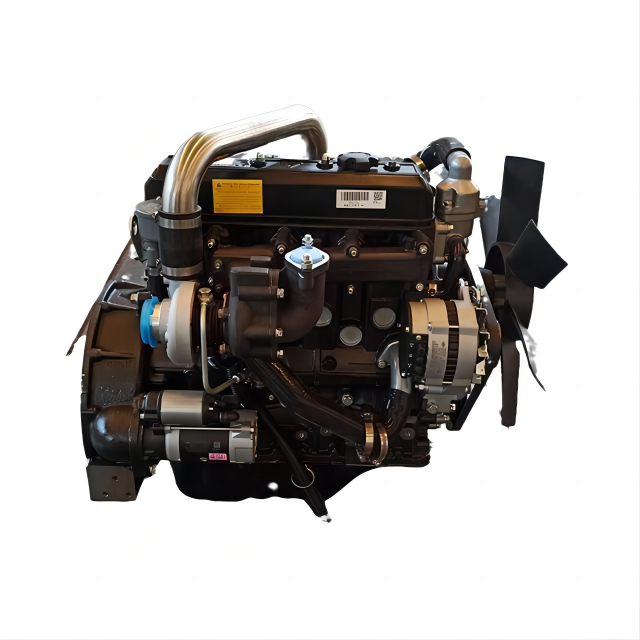
The future of gasoline engines is being shaped by a variety of trends that reflect changing consumer preferences, regulatory pressures, and advancements in technology. As the automotive landscape evolves, understanding these trends is crucial for predicting how gasoline engines will adapt and thrive in the coming years.
One of the most significant trends affecting gasoline engines is the increasing shift toward alternative fuels. Electric and hybrid vehicles are gaining popularity as consumers seek more environmentally friendly options. This shift is impacting gasoline engine demand, as more people are considering electric vehicles (EVs) for their lower emissions and fuel costs. According to recent studies, the market for EVs is projected to grow substantially, potentially leading to a decrease in gasoline engine sales.
Fuel Type | Projected Growth Rate | Impact on Gasoline Engines |
Electric Vehicles | 25% annually | Decreased demand |
Hybrid Vehicles | 15% annually | Moderate impact |
Hydrogen Fuel Cells | Emerging technology | Long-term competition |
Government policies are also playing a critical role in shaping the future of gasoline engines. Stricter emissions regulations and fuel economy standards are prompting manufacturers to innovate continuously. These regulations push companies to develop cleaner and more efficient engines, which can help them comply with environmental standards while still meeting consumer demands. For instance, many countries are implementing policies aimed at reducing carbon footprints, which directly influence gasoline engine development.
Ongoing research and development are essential for the evolution of gasoline engines. Manufacturers are investing heavily in R&D to explore new technologies that could lead to breakthroughs in efficiency and performance. Innovations such as advanced combustion techniques and improved fuel formulations are on the horizon, promising to enhance the capabilities of gasoline engines significantly. The focus on R&D ensures that gasoline engines remain competitive in a rapidly changing market.
Consumer preferences are shifting, and these changes are influencing gasoline engine technology. Many buyers are now prioritizing fuel efficiency, reliability, and sustainability when choosing vehicles. As a result, manufacturers are responding by incorporating features that align with these preferences, such as improved fuel economy and lower emissions. Additionally, the rise of digital technologies is leading to more connected vehicles, which appeal to tech-savvy consumers.
Consumer Preference | Influence on Technology |
Fuel Efficiency | Development of more efficient engines |
Environmental Impact | Adoption of cleaner technologies |
Connectivity | Integration of smart features in vehicles |
These trends indicate a dynamic future for gasoline engines. While alternative fuels and electric vehicles may dominate headlines, gasoline engines will continue to evolve. By embracing innovation and adapting to consumer needs, gasoline engines can maintain their relevance in the automotive industry. As we look ahead, it's clear that the landscape for gasoline engines will be shaped by a blend of technological advancements, regulatory changes, and shifting consumer preferences.
Gasoline engines are vital components of modern vehicles. They convert fuel into mechanical energy, powering countless cars worldwide.
As technology evolves, gasoline engines are adapting to meet new challenges. Innovations in efficiency and emissions reduction are crucial for their future.
The automotive landscape is changing rapidly, but gasoline engines will continue to play a significant role. Embracing new technologies will help them thrive alongside alternative fuel options.


