

Views: 0 Author: Site Editor Publish Time: 2025-11-15 Origin: Site


Did you know that gasoline engines power millions of vehicles worldwide? Understanding their efficiency is crucial for both drivers and the environment.
In this article, we’ll explore what a gasoline engine is and how it works. We’ll also discuss why efficiency matters, focusing on fuel consumption, costs, and environmental impacts. You’ll learn key factors that influence gasoline engine efficiency and the latest technologies improving it.
Thermal efficiency is a key measure of how well a gasoline engine converts fuel into usable energy. In simple terms, it represents the percentage of energy from fuel that is transformed into mechanical power. For gasoline engines, the typical thermal efficiency ranges from 20% to 35%. This means that only a fraction of the fuel's energy is effectively used for propulsion, while the rest is lost as heat.
When we look at gasoline engines alongside other types, we notice some interesting differences.
Engine Type | Typical Efficiency Range | Advantages | Disadvantages |
Gasoline Engine | 20%-35% | Widely available, good power-to-weight ratio | Lower efficiency compared to diesel |
Diesel Engine | 30%-45% | Better fuel economy, more torque | Heavier, more expensive |
Electric Motor | 70%-90% | Very high efficiency, low emissions | Limited range, charging time |
Hybrid Systems | 40%-60% | Combines benefits of gasoline and electric | Complexity, higher initial cost |
Gasoline engines generally have lower efficiency than diesel engines, which can achieve efficiencies of 30% to 45%. Electric motors lead the pack, boasting efficiencies of 70% to 90%. However, gasoline engines are popular due to their availability and performance characteristics.
Gasoline engines can be categorized into two primary types: naturally aspirated and turbocharged. Each type has its own efficiency metrics:
● Naturally Aspirated Engines: These engines rely on atmospheric pressure to draw air into the combustion chamber. They typically achieve an efficiency range of 25% to 30%.
● Turbocharged Engines: These engines use a turbine-driven forced induction system to increase air intake, allowing for more fuel to be burned. This results in higher efficiency, usually between 30% and 35%.
Here’s a quick overview of their efficiency ranges:
Engine Type | Efficiency Range |
Naturally Aspirated | 25%-30% |
Turbocharged | 30%-35% |
In summary, while naturally aspirated engines are simpler and often lighter, turbocharged engines provide better efficiency and performance. Understanding these metrics helps consumers make informed choices about their vehicles and the potential fuel savings they can achieve.
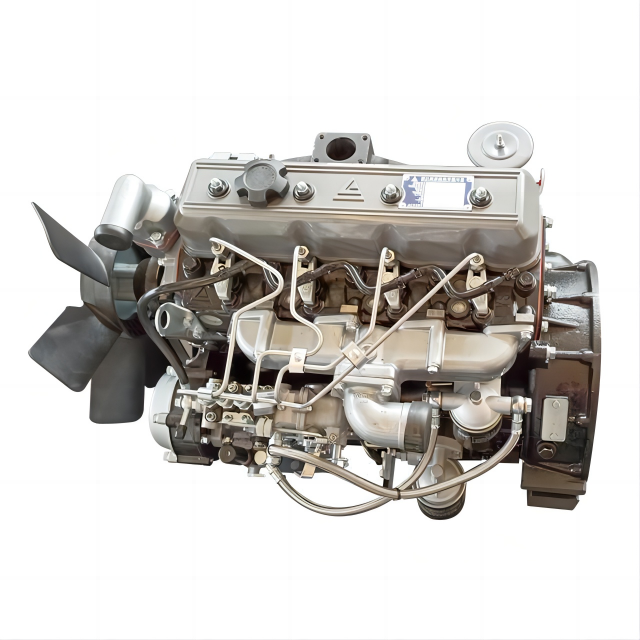
Several key factors influence the efficiency of gasoline engines. First, engine design and technology play a crucial role. Modern engines often feature advanced designs that enhance airflow and fuel mixture, leading to better combustion. For instance, the compression ratio is significant; higher ratios generally improve efficiency by allowing more energy extraction from the fuel.
Another important aspect is the fuel injection method. There are two primary types: direct injection and port injection. Direct injection delivers fuel directly into the combustion chamber, improving efficiency and power. In contrast, port injection mixes fuel with air before entering the chamber, which can lead to less efficient combustion.
Driving conditions greatly affect engine efficiency. For example, city driving typically involves frequent stops and starts, which can reduce efficiency significantly. In contrast, highway driving allows for steady speeds, maximizing fuel economy. Here’s a comparison of the impact of different driving scenarios:
Driving Scenario | Efficiency Impact |
City Driving | Lower efficiency due to stop-and-go traffic |
Highway Cruising | Higher efficiency due to consistent speeds |
Urban Congestion | Significant drops in efficiency |
Steady Acceleration | Optimal performance if managed well |
The load on the engine also matters. When accelerating or carrying heavy loads, the engine works harder, which can decrease efficiency. It’s essential to consider these factors when evaluating how a gasoline engine performs in various situations.
The materials used in engine construction and the type of lubrication also contribute to efficiency. Lightweight materials reduce the overall weight of the vehicle, improving fuel economy. Additionally, using low-viscosity oils helps reduce friction within the engine, allowing it to operate more smoothly and efficiently.
Regular maintenance is vital for keeping a gasoline engine running efficiently. Simple tasks like oil changes and air filter replacements can enhance performance. Studies show that proper maintenance can improve efficiency by 5% to 8%. This means that staying on top of maintenance not only prolongs the engine's life but also saves money at the pump.
By understanding these factors, drivers can make informed decisions to enhance their gasoline engine's efficiency, whether through technology upgrades or mindful driving habits.
Recent advancements in gasoline engine technology are transforming how we think about efficiency. One major innovation is turbocharging. This technology uses a turbine to force more air into the combustion chamber, allowing for more fuel to be burned efficiently. The benefits are clear: turbocharged engines can deliver more power without increasing engine size, improving both performance and fuel economy.
Another significant advancement is variable valve timing (VVT). This technology optimizes the timing of the engine's intake and exhaust valves, adapting to different driving conditions. By allowing the engine to breathe more efficiently, VVT can enhance performance, improve fuel economy, and reduce emissions.
Innovative combustion techniques are also making a difference in gasoline engine efficiency. Techniques such as lean burn and low-temperature combustion allow for a more complete fuel burn, maximizing energy extraction from the fuel. These methods can lead to notable improvements in efficiency, often resulting in a reduction of fuel consumption and emissions.
Technology | Benefits |
Turbocharging | Increased power, better fuel economy |
Variable Valve Timing | Enhanced performance, reduced emissions |
Advanced Combustion | Improved efficiency, lower fuel consumption |
Hybrid systems represent another leap forward in enhancing gasoline engine efficiency. By combining a gasoline engine with an electric motor, hybrids can optimize energy use. For example, the Toyota Hybrid System (THS) has become a benchmark in this field, showcasing how hybrid technology can significantly improve efficiency.
These systems can achieve efficiency improvements of up to 45% compared to traditional gasoline engines. By using electric power during low-speed driving and gasoline power during higher speeds, hybrids maximize fuel efficiency while minimizing emissions.
Alternative fuels are also playing a crucial role in enhancing gasoline engine efficiency. Fuels like methanol and natural gas offer cleaner-burning options that can reduce emissions and improve overall efficiency. Moreover, the potential for renewable synthetic fuels is gaining traction. These fuels can be produced from renewable resources, providing a sustainable alternative to traditional gasoline.
Using clean energy sources can have a profound impact on overall efficiency. Not only do they reduce harmful emissions, but they also allow gasoline engines to operate more efficiently. As technology evolves, the incorporation of these alternative fuels could lead to a cleaner and more efficient future for gasoline engines.
By embracing these innovations and technologies, the automotive industry is paving the way for more efficient gasoline engines, providing consumers with better performance and lower environmental impact.

When we look at the average efficiency of gasoline engines, it typically ranges from 20% to 30%. This means that only a fraction of the fuel's energy is converted into usable power, while the rest is lost as heat. The efficiency can vary significantly based on the engine type. For instance, naturally aspirated engines generally fall on the lower end of the spectrum, while turbocharged engines often achieve higher efficiencies due to better air-fuel mixing and combustion.
Engine Type | Average Efficiency (%) |
Naturally Aspirated | 20% - 25% |
Turbocharged | 25% - 30% |
Looking at specific models, such as YOSPower engines, we see notable differences in efficiency based on design and application. YOSPower’s turbocharged engines, for example, have been shown to achieve efficiencies of around 28%, making them suitable for both performance and fuel economy. In contrast, smaller engines used in applications like lawn mowers or small generators might have efficiencies closer to 20%, reflecting their simpler designs and operational requirements.
The application of gasoline engines also impacts their efficiency. For example, engines in small generators are designed for reliability and ease of use rather than maximum efficiency. These engines often operate at a steady load, which can help maintain a more consistent efficiency level. Conversely, in heavy machinery, where power demands fluctuate, the efficiency may decrease due to variable loads and the need for rapid acceleration.
Application | Typical Efficiency (%) |
Small Generators | 20% - 25% |
Heavy Machinery | 25% - 30% |
Driving behavior plays a significant role in the real-world efficiency of gasoline engines. Rapid acceleration and hard braking can dramatically reduce fuel economy. Studies show that adopting smoother driving techniques can improve efficiency by as much as 15%. Here are some tips for enhancing driving habits:
● Accelerate Gradually: Smooth acceleration helps maintain engine efficiency.
● Maintain Steady Speeds: Use cruise control on highways to avoid speed fluctuations.
● Anticipate Stops: Coasting to a stop instead of braking hard can save fuel.
Additionally, common mistakes, such as idling for extended periods or carrying unnecessary weight, can further decrease efficiency.
Driving conditions, such as traffic congestion, also influence gasoline engine efficiency. In stop-and-go traffic, engines frequently switch between idle and acceleration, leading to increased fuel consumption. On the other hand, highway driving allows for more consistent speeds, which helps optimize fuel use.
In summary, understanding the real-world efficiency of gasoline engines involves examining various factors, including engine type, driving behavior, and operating conditions. By being mindful of these aspects, drivers can make more informed choices to enhance their vehicle's performance and fuel economy.
The future of gasoline engine efficiency looks promising. Trends in automotive technology and regulations push for better fuel economy. Predictions suggest significant improvements in efficiency over the coming years.
As cleaner technologies emerge, they will impact traditional gasoline engines. Regular maintenance and staying informed on advancements are crucial for maximizing efficiency.
Adopting best practices for fuel efficiency can lead to better performance and reduced emissions. Embracing these changes is essential for a sustainable automotive future.
A: The theoretical maximum efficiency of gasoline engines is around 37%, but real-world efficiencies typically range from 20% to 30%.
A: Generally, smaller engines are more efficient at lower loads, while larger engines can be more efficient at higher power outputs.
A: Yes, technologies like turbocharging and variable valve timing can enhance efficiency while maintaining or increasing power.
A: Inefficient engines produce higher emissions, contributing to air pollution and climate change.
A: Traffic congestion leads to stop-and-go driving, reducing efficiency, while steady highway speeds optimize fuel use.


