

Views: 0 Author: Site Editor Publish Time: 2025-11-14 Origin: Site


Have you ever wondered what powers your car? The gasoline engine is a marvel of engineering that drives millions of vehicles today. Understanding how it works is essential for anyone interested in cars and technology.
In this article, we’ll explore the fundamentals of gasoline engines. You’ll learn about their key components, how they operate, and their significance in our daily lives.
Internal combustion is a process where fuel burns inside an engine cylinder. This reaction generates hot gases that expand rapidly, pushing a piston down. This movement ultimately produces the power needed to turn the vehicle's wheels.
In contrast, external combustion engines burn fuel outside the engine. Steam engines are a common example, where heat from burning fuel turns water into steam, which then drives a piston or turbine. Internal combustion engines (ICE) are more popular in modern vehicles due to their compact size and efficiency.
Gasoline is a refined petroleum product, specifically designed for use in internal combustion engines. It consists of hydrocarbons, which are compounds made up of hydrogen and carbon. When gasoline ignites, it releases energy in the form of heat and expanding gases.
Here’s a quick overview of gasoline's properties:
Property | Description |
Octane Rating | Measures fuel's resistance to knocking. Higher ratings indicate better performance. |
Volatility | Determines how easily gasoline vaporizes. It affects starting and engine performance. |
Energy Content | Gasoline has a high energy density, providing significant power output per gallon. |
These properties make gasoline an ideal fuel for engines. It ignites easily, burns efficiently, and provides the necessary energy to power vehicles.
When gasoline enters the engine, it mixes with air in the intake stroke. The mixture is then compressed in the cylinder, which increases its temperature and pressure. At the right moment, a spark plug ignites the mixture, causing a controlled explosion. This explosion pushes the piston down, converting chemical energy into mechanical energy.
Understanding these fundamental principles helps us appreciate the complex yet fascinating operation of gasoline engines. They are not just machines; they are intricate systems that power our daily lives.
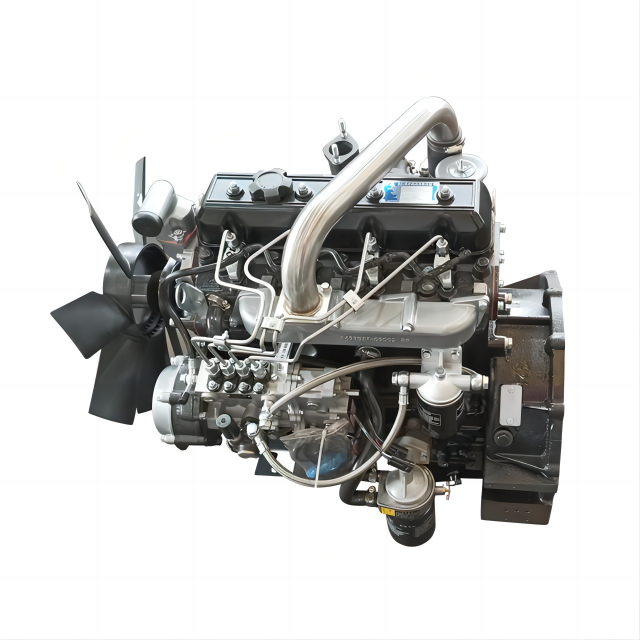
The four-stroke cycle is fundamental to how a gasoline engine operates. This cycle consists of four distinct strokes: intake, compression, power, and exhaust. Each stroke plays a crucial role in converting fuel into usable energy, making it essential to understand their functions.
During the intake stroke, the piston moves down the cylinder, creating a vacuum. This movement opens the intake valves, allowing a mixture of air and gasoline to enter the combustion chamber. The air-fuel mixture is vital; it provides the necessary components for combustion.
As the piston descends, the engine draws in the mixture, which is then prepared for the next stage. This initial stroke sets the stage for efficient combustion, ensuring that the right amount of fuel and air is available for ignition.
Next comes the compression stroke. Here, the piston moves back up, compressing the air-fuel mixture into a smaller space. This compression is critical for engine efficiency. The higher the compression ratio, the more power can be generated during the power stroke.
Compression Ratio | Performance Impact |
Low (8:1) | Lower power output, less efficiency |
Medium (10:1) | Balanced performance and efficiency |
High (12:1 and above) | More power, requires higher octane fuel |
A higher compression ratio results in a more powerful explosion during combustion, leading to better overall performance.
The power stroke is where the magic happens. At this stage, the spark plug ignites the compressed air-fuel mixture. This ignition creates a rapid expansion of gases, pushing the piston down with significant force. This is the stroke that converts chemical energy into mechanical energy, driving the vehicle forward.
The combustion process is highly efficient, transforming the energy stored in gasoline into motion. The rapid expansion of gases generates the power needed to turn the crankshaft, which ultimately powers the wheels.
Finally, we have the exhaust stroke. After the power stroke, the piston moves back up again, pushing out the spent exhaust gases through the open exhaust valves. This expulsion is crucial for maintaining engine efficiency, as it clears out the byproducts of combustion.
The exhaust system plays a significant role in this process. It not only directs the gases away from the engine but also helps reduce noise and emissions. A well-designed exhaust system ensures that the engine operates smoothly and efficiently, maximizing performance.
Understanding these four strokes helps us appreciate the complexity of gasoline engines. Each stroke is interconnected, contributing to the overall function and efficiency of the engine.
Understanding the key components of a gasoline engine is essential for grasping how it operates. Each part plays a unique role in the engine's function, contributing to the overall performance and efficiency. Here’s a closer look at these critical components.
The engine block serves as the heart of the gasoline engine. It houses the cylinders, where the pistons move up and down. Made from cast iron or aluminum, the engine block provides structural integrity and supports other components, such as the crankshaft and camshaft.
Its design facilitates the efficient flow of coolant and oil, ensuring the engine operates smoothly. The block also contains passages for coolant to prevent overheating, making it crucial for maintaining optimal operating temperatures.
Pistons are vital for the combustion process. They move within the cylinders, converting the explosive energy from fuel combustion into mechanical energy. As the air-fuel mixture ignites, the resulting pressure forces the piston down, creating the linear motion needed to turn the crankshaft.
Piston Function | Importance |
Converts combustion energy | Essential for power generation |
Seals combustion chamber | Prevents loss of pressure and improves efficiency |
Their ability to create a tight seal enhances efficiency, allowing the engine to maximize power output while minimizing fuel consumption.
The crankshaft is a key player in converting linear motion into rotational motion. As the pistons move up and down, the crankshaft rotates, transferring this motion to the vehicle's drivetrain.
It is designed with offset journals, which convert the piston's vertical movement into the circular motion needed to turn the wheels. This transformation is crucial for propelling the vehicle forward.
The camshaft controls the timing of the engine's valves, ensuring they open and close at the right moments during the four-stroke cycle. This timing is essential for optimal engine performance and efficiency.
The camshaft operates in sync with the crankshaft, often using a timing belt or chain. By regulating valve operation, it allows the engine to breathe properly, enhancing power and fuel efficiency.
The fuel system is responsible for delivering gasoline to the engine efficiently. There are two primary methods: carburetors and fuel injection systems.
● Carburetors mix air and fuel before it enters the engine, relying on airflow to draw in fuel.
● Fuel Injection delivers fuel directly into the combustion chamber, allowing for more precise control over the air-fuel mixture.
Fuel Delivery Method | Advantages |
Carburetors | Simpler design, easier maintenance |
Fuel Injection | Better efficiency, improved performance |
Fuel injection systems have become more common due to their efficiency and ability to optimize fuel delivery under various conditions.
The ignition system is crucial for starting the engine. At its core is the spark plug, which ignites the air-fuel mixture at the right moment. Proper ignition timing is essential; if it's too early or too late, engine performance can suffer.
The ignition system includes components like the ignition coil and distributor, which work together to ensure a strong spark is delivered to the spark plugs, facilitating reliable engine operation.
An effective cooling system is vital to prevent engine overheating. It circulates coolant through the engine block and radiator, absorbing excess heat produced during combustion.
Keeping the engine at the proper operating temperature ensures efficiency and longevity. If the engine overheats, it can lead to serious damage, making the cooling system an essential component.
Lastly, the lubrication system reduces friction between moving parts, preventing wear and tear. Oil circulates through the engine, coating components like the pistons and crankshaft.
This lubrication is crucial for maintaining engine health, as it minimizes heat buildup and wear, extending the engine's lifespan. Regular oil changes are necessary to keep this system functioning effectively.
Each of these components works together harmoniously, allowing the gasoline engine to operate efficiently and reliably. Understanding these parts gives us insight into the intricate design of modern engines.
Gasoline engines come in various types, each designed to meet different performance needs and efficiency standards. Understanding these types can help you appreciate the technology behind modern vehicles. Let’s explore the most common types of gasoline engines and their unique characteristics.
Naturally aspirated engines rely solely on atmospheric pressure to draw air into the combustion chamber. As the piston moves down during the intake stroke, it creates a vacuum, allowing air to enter the cylinders.
This type of engine is known for its simplicity and reliability. It doesn’t have the complexity of forced induction systems, making it easier to maintain. However, naturally aspirated engines tend to produce less power compared to their turbocharged counterparts.
Advantages | Disadvantages |
Simplicity in design | Lower power output |
Better throttle response | Less efficient at high altitudes |
Typically lighter | Limited tuning potential |
Turbocharged engines enhance performance by using a turbine to force more air into the combustion chamber. This process allows for a denser air-fuel mixture, leading to more power without significantly increasing engine size.
The turbocharger utilizes exhaust gases to spin a turbine, which compresses incoming air. This means that a smaller engine can produce as much power as a larger, naturally aspirated engine. Turbocharging not only improves horsepower but also enhances fuel efficiency under certain conditions.
● Performance Boost: Turbocharged engines can deliver significantly higher horsepower.
● Efficiency: They often achieve better fuel economy compared to larger naturally aspirated engines.
Direct injection engines represent a modern advancement in fuel delivery technology. In these engines, fuel is injected directly into the combustion chamber at high pressure, allowing for precise control over the air-fuel mixture.
This method offers several benefits, including improved fuel efficiency and reduced emissions. By injecting fuel directly into the cylinder, these engines can achieve better combustion, resulting in more power and lower fuel consumption.
Benefits | Considerations |
Enhanced fuel efficiency | More complex and expensive repairs |
Reduced emissions | Potential for carbon buildup |
Greater power output | Requires high-quality fuel |
When comparing multi-cylinder and single-cylinder engines, the differences in design and performance become apparent. Multi-cylinder engines, which typically range from four to twelve cylinders, are known for their smooth operation and high power output. They distribute the workload across multiple pistons, which reduces vibration and enhances overall performance.
On the other hand, single-cylinder engines are simpler and lighter, often found in motorcycles and small vehicles. While they can be efficient and easy to maintain, they may struggle to produce the same power levels as multi-cylinder engines.
Engine Type | Characteristics |
Multi-cylinder | Smoother operation, higher power output |
Single-cylinder | Lightweight, simpler design |
In summary, the choice between these engine types depends on various factors, including desired performance, efficiency, and application. Each type has its own strengths and weaknesses, making them suitable for different driving experiences and vehicle designs. Understanding these differences can help you make informed decisions when it comes to choosing a vehicle or engine type.
Understanding the efficiency and performance of a gasoline engine is crucial for both manufacturers and consumers. Several factors influence how well an engine operates, affecting everything from fuel consumption to power output. Let’s delve into the key elements that impact engine efficiency, performance metrics, and the importance of tuning.
Several factors play a significant role in determining the efficiency of a gasoline engine. Among these, compression ratios, fuel quality, and overall engine design are particularly influential.
● Compression Ratio: This ratio measures the volume of the cylinder when the piston is at the bottom of its stroke compared to when it is at the top. Higher compression ratios generally lead to better efficiency because they allow for more complete combustion of the fuel. However, this also requires higher-octane fuel to prevent knocking.
● Fuel Quality: The quality of fuel used can significantly affect engine performance. Higher-quality fuels contain fewer impurities and can improve combustion efficiency. Additionally, the octane rating of the fuel can influence how well the engine performs under various conditions.
● Engine Design: The overall design of the engine, including its size, number of cylinders, and layout, impacts efficiency. For example, modern engines often use technologies like variable valve timing and lightweight materials to enhance performance and reduce fuel consumption.
Factor | Impact on Efficiency |
Compression Ratio | Higher ratios improve efficiency |
Fuel Quality | Better fuels enhance combustion |
Engine Design | Innovative designs lead to efficiency |
When discussing gasoline engines, performance is often measured in terms of horsepower and torque. These metrics are essential for understanding how an engine will perform in real-world scenarios.
● Horsepower: This is a measure of the engine’s ability to do work over time. It reflects how quickly an engine can perform tasks, such as accelerating a vehicle. Higher horsepower typically means better acceleration and higher top speeds.
● Torque: Torque measures the rotational force produced by the engine. It is crucial for tasks that require power at lower speeds, such as towing or climbing hills. An engine with high torque can move heavier loads more efficiently.
Both horsepower and torque are significant for different driving conditions. For instance, a sports car may prioritize horsepower for high-speed performance, while a truck might focus on torque for hauling capabilities.
Performance Metric | Significance |
Horsepower | Indicates speed and acceleration |
Torque | Reflects pulling power and efficiency |
Engine tuning is the process of adjusting the engine’s components to optimize its performance. This can involve modifying various elements, including the fuel-air mixture, ignition timing, and exhaust flow.
When done correctly, tuning can lead to significant improvements in engine output. For example, adjusting the air-fuel mixture can enhance combustion efficiency, resulting in better power delivery and fuel economy.
● Optimizing Output: Proper tuning can increase horsepower and torque, making the engine more responsive. This is especially important for performance vehicles where every bit of power counts.
● Fuel Efficiency: Tuning can also improve fuel efficiency by ensuring that the engine runs as smoothly as possible, reducing waste and maximizing the energy extracted from fuel.
Tuning Aspect | Effect on Performance |
Air-Fuel Mixture | Enhances combustion efficiency |
Ignition Timing | Improves throttle response |
Exhaust Flow | Reduces back pressure, increases power |
By understanding these factors, we can appreciate the intricate balance between efficiency and performance in gasoline engines. Each aspect plays a vital role in how well an engine performs and how efficiently it uses fuel, impacting everything from daily driving to high-performance racing.
Gasoline engines are robust machines, but like any mechanical system, they can encounter problems over time. Understanding common issues, proper maintenance, and signs of wear can help keep your engine running smoothly. Let’s explore these aspects in detail.
Gasoline engines may experience a variety of issues that can affect their performance and longevity. Here’s a list of typical problems:
● Misfires: This occurs when one or more cylinders fail to ignite the air-fuel mixture properly. Misfires can lead to rough idling, decreased power, and increased fuel consumption.
● Overheating: An engine that runs too hot can cause severe damage. Overheating can result from a malfunctioning cooling system, low coolant levels, or a faulty thermostat.
● Oil Leaks: Leaking oil can lead to low oil levels, causing inadequate lubrication. This can result in increased friction and wear on engine components.
● Fuel System Issues: Problems such as clogged fuel injectors or a failing fuel pump can disrupt the fuel supply, leading to performance issues.
Common Problem | Description | Potential Causes |
Misfires | Incomplete combustion | Faulty spark plugs, fuel issues |
Overheating | Excessive engine temperature | Cooling system failure |
Oil Leaks | Loss of engine oil | Worn gaskets, seals, or cracks |
Fuel System Issues | Disruptions in fuel delivery | Clogged injectors, pump failure |
Regular maintenance is key to keeping a gasoline engine in optimal condition. Here are some essential tips for effective maintenance:
● Oil Changes: Regularly changing the engine oil is crucial. Fresh oil lubricates engine components, reduces friction, and helps prevent overheating. It’s recommended to change the oil every 3,000 to 5,000 miles, depending on the vehicle and oil type.
● Air Filter Replacements: A clean air filter ensures that the engine receives adequate airflow. Clogged filters can reduce performance and fuel efficiency. Check and replace the air filter every 12,000 to 15,000 miles.
● Spark Plug Inspections: Spark plugs play a vital role in engine performance. Inspecting and replacing worn spark plugs can improve fuel efficiency and reduce emissions. It's advisable to check them every 30,000 miles.
Maintenance Task | Frequency | Benefits |
Oil Change | Every 3,000 - 5,000 miles | Reduces friction, prevents wear |
Air Filter Replacement | Every 12,000 - 15,000 miles | Improves airflow, enhances efficiency |
Spark Plug Inspection | Every 30,000 miles | Better ignition, improved fuel economy |
Recognizing the signs of engine wear early can prevent costly repairs down the line. Here are some indicators to watch for:
● Unusual Noises: If you hear knocking, ticking, or grinding sounds, it could indicate serious issues such as worn bearings or a failing timing belt.
● Excessive Smoke: Blue, black, or white smoke from the exhaust can signal oil burning, fuel mixture problems, or coolant leaks. Each type of smoke requires different diagnostic approaches.
● Check Engine Light: This warning light can indicate various issues, from minor to severe. If it lights up, it’s best to get a diagnostic check to avoid further damage.
● Decreased Performance: Noticeable drops in power, acceleration, or fuel efficiency may suggest underlying problems. If performance issues persist despite maintenance, professional help is recommended.
Sign of Wear | What to Look For | Action Needed |
Unusual Noises | Knocking, ticking, grinding | Seek professional diagnosis |
Excessive Smoke | Color changes in exhaust | Investigate source of smoke |
Check Engine Light | Warning indicator on dashboard | Perform diagnostic check |
Decreased Performance | Reduced power or efficiency | Consult a mechanic |
By staying vigilant about these common issues and adhering to a regular maintenance schedule, you can significantly extend the life of your gasoline engine and ensure it runs efficiently. Keeping an eye on the signs of wear will help you address potential problems before they escalate into major repairs.
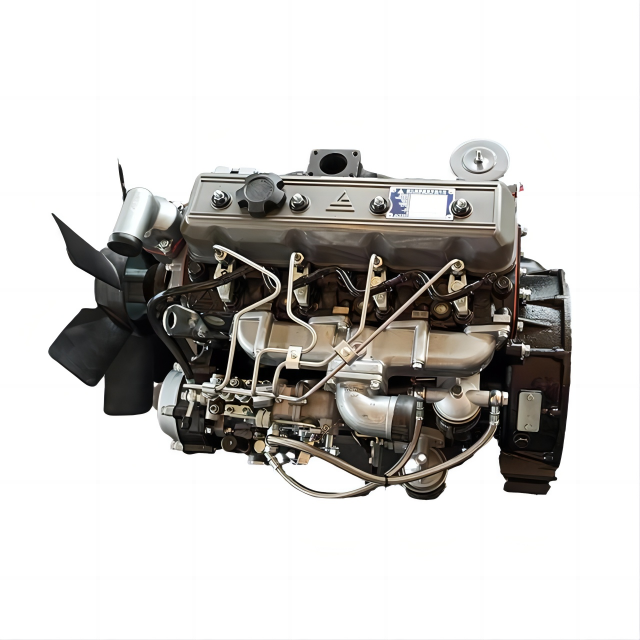
As the automotive industry evolves, the future of gasoline engines is becoming increasingly complex. While gasoline engines have powered vehicles for over a century, emerging technologies and environmental concerns are reshaping their trajectory. Let's explore what lies ahead for gasoline engines, how they stack up against alternative energy sources, and the innovations being developed to enhance their efficiency.
The outlook for gasoline engines is influenced by several trends, particularly in technology and environmental regulations. As governments worldwide set stricter emissions standards, manufacturers are under pressure to reduce the environmental impact of gasoline engines. This has led to a focus on improving fuel efficiency and minimizing harmful emissions.
● Technological Advancements: Innovations such as turbocharging, direct fuel injection, and variable valve timing are becoming more common, allowing gasoline engines to deliver better performance while using less fuel. These advancements can help meet regulatory demands while maintaining consumer interest in traditional engines.
● Environmental Concerns: Climate change and air quality issues are prompting a shift toward greener technologies. As electric and hybrid vehicles gain popularity, gasoline engines must adapt to remain relevant. This shift is not just about reducing emissions; it's also about improving overall vehicle efficiency.
Trend | Impact on Gasoline Engines |
Technological Advancements | Enhanced performance and efficiency |
Stricter Emissions Standards | Increased focus on reducing emissions |
Gasoline engines face stiff competition from alternative energy sources, particularly electric and hybrid engines. Each type of engine has its advantages and drawbacks, influencing consumer choices and market trends.
● Electric Engines: These vehicles run solely on electricity, offering zero tailpipe emissions. They are praised for their efficiency and lower operating costs. However, concerns about battery life, charging infrastructure, and range continue to pose challenges.
● Hybrid Engines: Combining gasoline engines with electric motors, hybrids offer a middle ground. They provide better fuel efficiency than traditional gasoline engines while still relying on gasoline for extended range. This makes them appealing to consumers who are not ready to fully commit to electric vehicles.
Engine Type | Advantages | Challenges |
Electric Engines | Zero emissions, low operating costs | Battery life, charging infrastructure |
Hybrid Engines | Improved fuel efficiency | More complex systems, cost |
The future of gasoline engines is not solely about competing with electric alternatives; significant advancements are being made within gasoline technology itself. These innovations aim to enhance efficiency, reduce emissions, and improve overall performance.
● Turbocharging: This technology increases engine power without significantly increasing size or weight. By forcing more air into the combustion chamber, turbocharged engines can produce more power and improve fuel efficiency.
● Direct Injection: This method injects fuel directly into the combustion chamber, allowing for more precise fuel delivery. It improves combustion efficiency and reduces fuel consumption, helping to lower emissions.
● Variable Valve Timing: This technology optimizes engine performance across different speeds and loads. By adjusting the timing of valve openings and closings, engines can operate more efficiently, enhancing both power and fuel economy.
Advancement | Benefits | Effect on Emissions |
Turbocharging | Increased power, better efficiency | Reduces CO2 emissions |
Direct Injection | Improved combustion, lower consumption | Cuts down on unburned fuel emissions |
Variable Valve Timing | Enhanced performance | Optimizes fuel usage |
The evolution of gasoline engines is marked by a blend of tradition and innovation. While they face challenges from electric and hybrid technologies, ongoing advancements are ensuring that gasoline engines remain a viable option for the foreseeable future. With a focus on efficiency and reduced emissions, gasoline engines are adapting to meet the demands of a changing world.
Understanding gasoline engines is essential for anyone interested in automotive technology. They have powered vehicles for over a century and continue to evolve.
Key points include their operation, advancements in efficiency, and competition with electric and hybrid engines.
We encourage readers to explore further topics, such as alternative fuel sources and the future of electric vehicles. Discovering these subjects can enhance your knowledge of the automotive landscape.
A: The average lifespan of a gasoline engine is typically between 150,000 to 300,000 miles, depending on maintenance.
A: Signs of efficiency include smooth operation, good fuel economy, and no unusual noises or emissions.
A: Gasoline engines emit CO2 and other pollutants, contributing to air quality issues and climate change.
A: Yes, some gasoline engines can be modified to run on alternative fuels like propane or ethanol.
A: Additives enhance fuel stability, improve combustion, and reduce engine deposits, promoting better performance and efficiency.


