

Views: 0 Author: Site Editor Publish Time: 2025-11-13 Origin: Site


Have you ever wondered what happens if you accidentally put gasoline in a diesel engine? This common mistake can lead to serious problems. Diesel engines are vital for many vehicles and machinery, and understanding the consequences of misfueling is crucial.
In this post, you’ll learn about the risks involved, how it affects engine performance, and what to do if it happens.
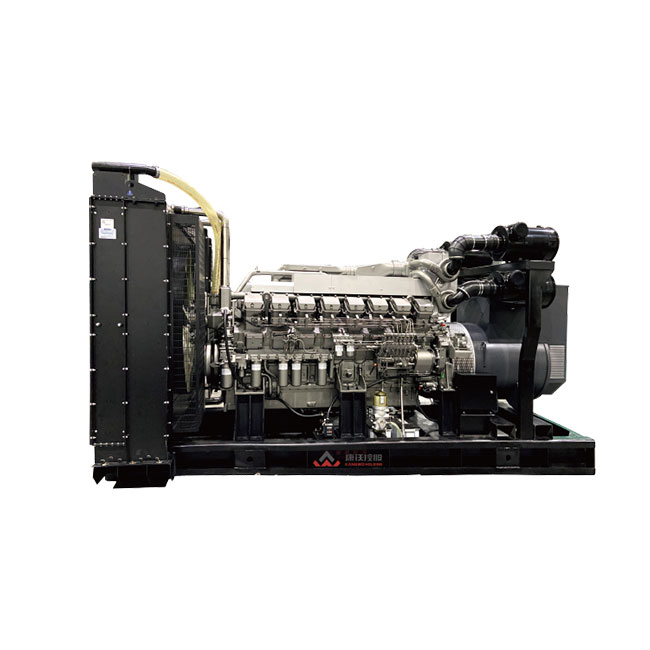
A diesel engine is a type of internal combustion engine that operates using diesel fuel. Unlike gasoline engines, which ignite fuel with a spark plug, diesel engines rely on compression to ignite the fuel-air mixture. This process involves compressing air to a high pressure, which raises its temperature. When diesel fuel is injected into this hot air, it ignites spontaneously.
Feature | Diesel Engine | Gasoline Engine |
Fuel Type | Diesel fuel | Gasoline |
Ignition Method | Compression ignition | Spark ignition |
Efficiency | Generally more fuel-efficient | Higher RPM, less efficient |
Torque | Produces more torque at lower RPM | Higher horsepower at higher RPM |
This table highlights the fundamental differences between these two engine types. Diesel engines typically offer greater fuel efficiency and torque, making them ideal for heavy-duty applications.
Diesel engines are widely used across various industries due to their durability and efficiency. They power heavy machinery, trucks, and generators. For instance, in construction, diesel engines drive excavators, bulldozers, and cranes, enabling workers to complete tough tasks effectively.
In the transportation sector, diesel engines are common in freight trucks and buses, providing the necessary power for long-distance travel and heavy loads. Additionally, diesel generators are crucial for power generation in remote locations where electricity is not readily available.
Here’s a quick overview of some common applications:
● Heavy Machinery: Excavators, bulldozers, and loaders.
● Transportation: Freight trucks, buses, and trains.
● Power Generation: Backup generators and remote power supplies.
These applications showcase the versatility of diesel engines, highlighting their importance in our daily lives and various industries.

When you accidentally add gasoline to a diesel engine, immediate effects can be severe. Gasoline lacks the lubricating properties of diesel fuel, leading to potential damage to critical engine components. For example, fuel pumps and injectors may experience increased wear and tear due to inadequate lubrication.
● Reduced Lubrication: Gasoline does not provide the same level of lubrication.
● Increased Wear: Components like injectors may wear out faster.
● Performance Issues: The engine may run poorly or misfire.
Diesel fuel plays a crucial role in lubricating engine parts. When gasoline enters the system, it disrupts this lubrication. Without proper lubrication, components such as fuel pumps and injectors are at risk of significant damage.
Lubrication is essential for preventing friction between moving parts. When gasoline dilutes the diesel, it compromises the engine's ability to protect its components, leading to:
● Increased Friction: More wear and tear on engine parts.
● Potential Failures: Higher likelihood of costly repairs.
Gasoline burns differently than diesel fuel, which can lead to combustion problems in a diesel engine. Diesel engines rely on compression ignition, where air is compressed to a high temperature before fuel is injected. Adding gasoline disrupts this process, potentially causing knocking and pre-ignition.
● Knocking: Uncontrolled combustion can occur.
● Pre-Ignition: Gasoline may ignite too early in the cycle.
● Loss of Power: Overall engine performance suffers.
The presence of gasoline can cause serious damage to the fuel system. Many diesel engines have components made from rubber and plastic, which can deteriorate when exposed to gasoline. This leads to risks like fuel leaks and corrosion.
Component | Role in Fuel System | Risk of Damage |
Fuel Lines | Transport fuel from tank to engine | Cracking and leaks |
Seals | Prevent leaks in the system | Deterioration and failure |
Injectors | Deliver fuel into combustion chamber | Clogging and malfunction |
These risks highlight the importance of using the correct fuel type to maintain engine integrity.
Misfueling can lead to severe mechanical failures. In some cases, the engine may seize or suffer piston damage, resulting in costly repairs or even total engine replacement.
● Engine Seizure: Caused by overheating and lack of lubrication.
● Piston Damage: Results from improper combustion and knocking.
Repair costs for these issues can be substantial, often exceeding thousands of dollars. It’s crucial to address misfueling incidents promptly to avoid these catastrophic outcomes.
If you realize you've accidentally added gasoline to a diesel engine, it’s crucial to act quickly. Here’s a step-by-step guide on what to do:
1. Do Not Start the Engine: This is the most important step. Starting the engine can circulate gasoline through the fuel system, causing more damage.
2. Turn Off the Ignition: If the engine is running, turn off the ignition immediately to prevent further issues.
3. Assess the Situation: Check how much gasoline was added. If it’s a small amount, the response may differ from a full tank.
Taking these steps can significantly reduce the risk of severe damage to your engine.
To prevent further contamination of the fuel system, isolating the fuel supply is essential. Here’s how you can do it safely:
● Locate the Fuel Shut-Off Valve: This is usually found near the fuel tank. Turning it off will stop fuel flow to the engine.
● Disconnect the Fuel Line: If you're comfortable doing so, disconnect the fuel line from the engine. Use a container to catch any fuel that spills out.
● Prevent Further Contamination: Avoid driving the vehicle or adding more fuel until the issue is resolved.
By isolating the fuel system, you minimize the chances of gasoline mixing further with diesel fuel.
After isolating the fuel system, it’s time to seek professional assistance. Here are some indicators that you should contact a mechanic or roadside assistance:
● Large Amounts of Gasoline Added: If a significant amount was added, professional help is crucial.
● Engine Issues: If the engine has already started showing signs of trouble, don’t hesitate to call for assistance.
● Safety Concerns: If you’re unsure about handling the situation, it’s always best to err on the side of caution.
Professional intervention is vital for cleaning the fuel system and ensuring your engine is safe to operate again.
When you take your vehicle to a professional, they will follow a series of steps to rectify the situation. Here’s an overview of what to expect:
1. Draining the Fuel Tank: The first step involves completely draining the contaminated fuel.
2. Flushing the Fuel System: They will use specialized equipment to flush out any remaining gasoline from the fuel lines and injectors.
3. Inspecting Components: A thorough inspection of the fuel system components will be conducted to check for damage.
Service | Estimated Cost Range |
Fuel Tank Drainage | $100 - $300 |
Fuel System Flushing | $150 - $500 |
Component Replacement (if needed) | $200 - $1,500+ |
These costs can vary based on the severity of the misfueling and the specific services required. Using specialized equipment during the cleaning process is essential to ensure all contaminants are removed effectively, helping to prevent future issues.
Ensuring you use the correct fuel type is the first line of defense against misfueling. Here are some practical tips to help you identify fuel types effectively:
● Labeling and Color Coding: Many gas stations use color-coded pumps to differentiate between gasoline and diesel. Familiarize yourself with these colors. For example, diesel pumps are often green, while gasoline pumps are usually black or red.
● Clear Labels: Always check for clear labels on the fuel pumps. These labels indicate the type of fuel available and can prevent accidental misfueling.
● Awareness of Pump Types: Be mindful of the different types of fuel pumps available at gas stations. Some stations may have combined pumps, so it’s essential to pay close attention when filling up.
By being vigilant about fuel types, you can significantly reduce the chances of making a costly mistake.
Training is crucial for anyone who operates diesel engines. Here’s why education plays a vital role in preventing misfueling:
● Understanding Fuel Types: Operators should be well-informed about the differences between gasoline and diesel, including their properties and uses. This knowledge helps in making informed decisions when refueling.
● Resources for Learning: There are numerous resources available for learning about fuel types and engine maintenance. Online courses, workshops, and manuals can provide valuable insights.
● Training Programs: Consider enrolling in training programs specifically designed for diesel engine operation. These programs often cover best practices for fuel management and maintenance.
Incorporating these educational resources will empower drivers and operators to handle fuel safely and effectively.
Technology can be a game-changer in preventing misfueling incidents. Here’s an overview of some technological solutions available:
● Fuel Sensors: Many modern vehicles are equipped with sensors that detect the type of fuel being used. These sensors can alert the driver if the wrong fuel is detected before starting the engine.
● Alert Systems: Some advanced fuel systems come with built-in alerts that notify users when they attempt to use the incorrect fuel type. This can be particularly useful in preventing accidental misfueling.
● Examples of Devices: Devices like fuel management systems and smart fuel caps can provide real-time data and alerts about fuel types. These systems help ensure that only the correct fuel is used.
Adopting these technologies can greatly enhance safety and prevent the costly consequences of misfueling.
In this article, we explored what happens if gasoline is put in a diesel engine. We discussed the emergency response steps, preventive measures, and the importance of using the correct fuel. Misfueling can cause significant damage, so it's crucial to be vigilant.
We encourage readers to share their experiences and tips in the comments. Your insights can help others avoid similar mistakes!
A: Adding a small amount may not cause immediate damage, but it can lead to long-term issues.
A: Symptoms include rough running, decreased performance, and unusual noises.
A: Long-term effects can include fuel system damage, injector failure, and engine repairs.
A: Some additives can help stabilize fuel, but it's best to consult a professional.
A: Use clear labeling, educate operators, and consider technology solutions like fuel sensors.


